B2B sales in Türkiye

Selling to Turkish companies: from first negotiations to local production

Together with my team, I help manufacturers sell to Turkish companies. First we work out which form of presence in Türkiye suits your product and budget. Then we test demand with real buyers and build sales on the ground.

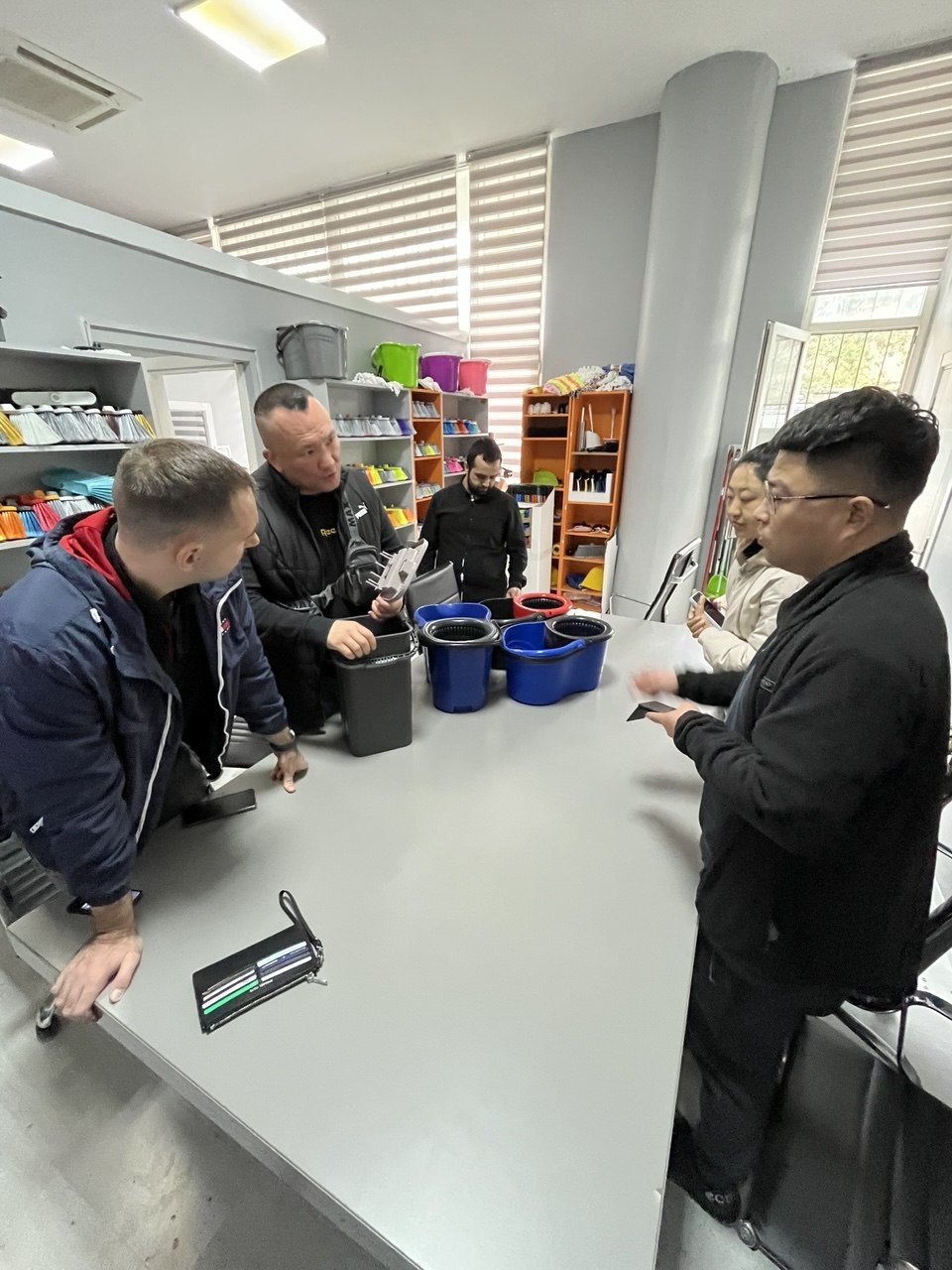
Negotiations with a Turkish company
Where we start

What level of presence in Türkiye do you need?

Everything depends on the answer: budget, timeline, team and what counts as a result. You can start small and go deeper as demand is confirmed.

Direct supply

You sell from your own country. We find buyers, negotiate and maintain the relationships on the ground so that orders keep coming.

Turkish company and local warehouse

Buyers collect goods from a local warehouse and pay after receipt, which is how business works here. A contract within Türkiye also gives you more leverage if a buyer does not pay.

Representative office

An office for buyer meetings, sales managers, service. For equipment, local service often decides the deal.

Localisation

Assembly or production in Türkiye, including in a free trade zone. Türkiye as a base for other markets.

In every case, my team and I act as your representative in Türkiye: finding buyers and partners, negotiating, managing deals and solving issues on the ground. Only the form of presence changes.
Localisation

Selling to Turkish companies from local production

For many B2B products, local production is the strongest argument for buyers: shorter lead times, local service and no import duties. We set it up at a contract manufacturer or as your own production, including in a free trade zone.

Make in Türkiye
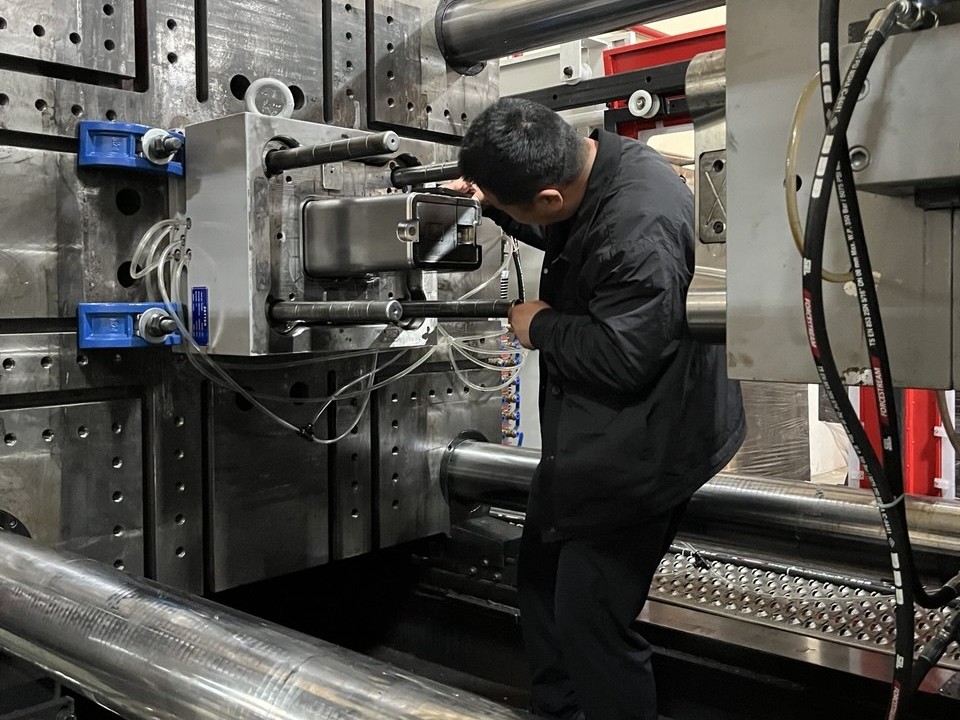
Installing a mould on an injection moulding machine in Türkiye
Process

How the work runs

Stage 1
Market and economics check
  • Competitors: international brands, Turkish manufacturers, Chinese suppliers
  • Prices buyers currently pay for similar products
  • Regulatory requirements: certification, standards, customs codes and duties
  • The full landed cost of your product in Türkiye, with delivery, customs clearance and taxes
  • Payment channel and supply structure
Result: a recommendation on whether to enter. Sometimes the honest answer is "not in this configuration".
Stage 2
Testing demand with buyers

We do not widen the list of potential customers, we narrow it: from the whole catalogue to a few products, from all of industry to specific sectors and regions.

  • A shortlist of companies: equipment manufacturers, end users, integrators, distributors
  • Direct access to decision makers, one by one, with no mass mailings
  • Trial offers, samples and first negotiations
  • A business mission with a meeting programme, if your visit is needed
Result: you know who is ready to buy what, and on what terms.
Stage 3
Launch and management
  • Choosing the supply model: from your country or from a warehouse in Türkiye
  • Logistics, customs, warehousing
  • Negotiations, contracts and deal support
  • Buyer relationships and repeat orders
  • For a representative office or localisation: finding partners, staff and production
Result: a working sales channel in Türkiye and a clear next step.
From practice

What you should know about B2B in Türkiye

None of this shows up in reports and analytics. You learn it in negotiations, at factories and from deals that fell through.

Payment on delivery already counts as prepayment here

Turkish buyers do not like to pay upfront and wait. They prefer to collect goods from a warehouse and pay after receipt. The supply model has to be built around this.

Distributors do not invest in unknown brands

Brand recognition at home does not cross the border. Until demand is proven, a distributor has no reason to spend resources on you. Distribution comes once the market has been built.

International companies mean long compliance

Getting into a large international company is hard and slow. With mid-sized local manufacturers, the first result often comes faster.

You have to hit the purchasing season

In many industries purchasing is seasonal. Miss it and you wait for the next cycle, even if the buyer is interested.

For equipment, service is the main question

A buyer of a production line first asks who will come to fix it, where spare parts will come from and how long production will stand still. A small price difference does not justify the risk of switching suppliers.

Without someone on the ground, orders fade

It happens that the first deliveries go through and then orders stop: a manager changed and nobody kept in touch. Relationships with Turkish buyers need constant attention.

A big market is not an easy market. The main work at the start is not to widen the list of potential buyers, but to narrow it to those you can actually close a deal with.
Cases

Projects at different levels of presence

We do not disclose client names. We show projects honestly, including those still in progress.

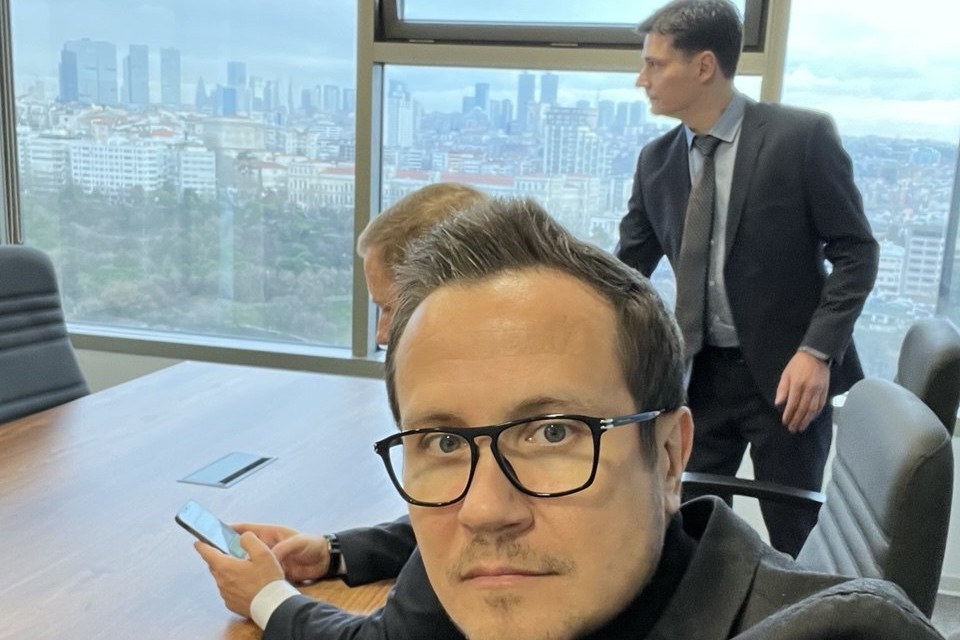
Negotiations at a company office in Istanbul
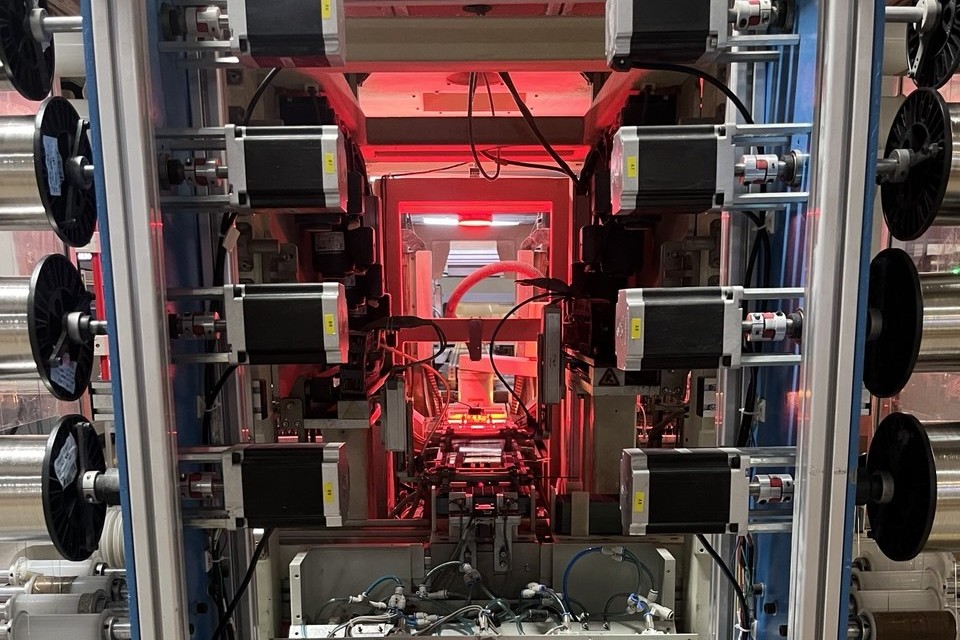
Automated production line at a Turkish manufacturer
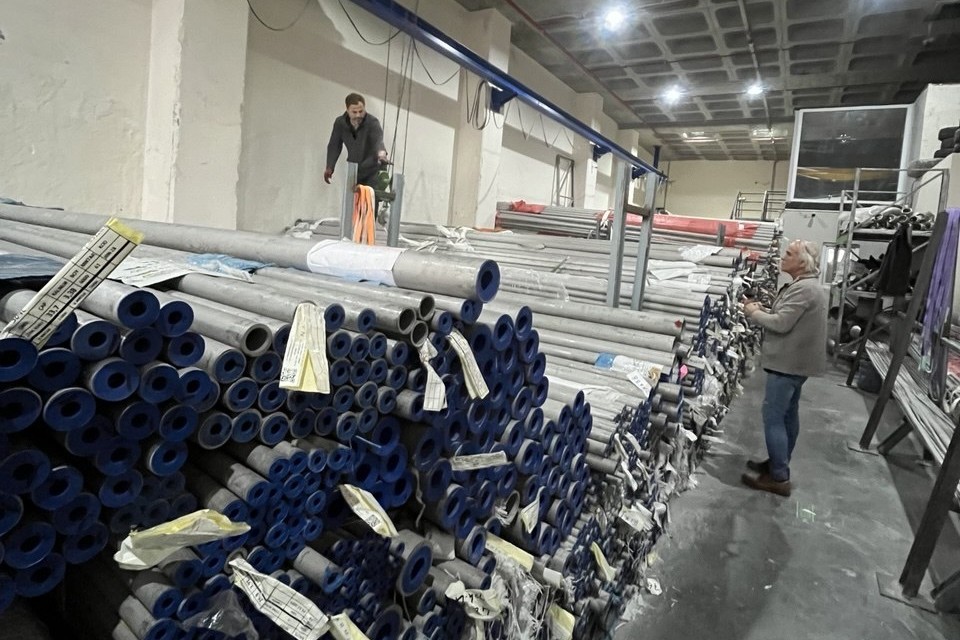
Steel pipe stock at a Turkish supplier
Direct supply

Ice cream sticks: supplying ice cream manufacturers

In progress
Task
A manufacturer of wooden sticks wanted to enter Türkiye, which has many ice cream producers.
What we did
We studied the market and decided not to go after international brands because of their long compliance process. We focused on local manufacturers, selected buyers, negotiated and sent samples. We calculated the landed cost in Türkiye and offered buyers two options: supply from the manufacturer's country or from a warehouse in Türkiye.
Status
Some buyers are testing samples, others are in their purchasing cycle. Seasonal purchasing happens in December–January.
First-sales strategy

Industrial sensors: from a catalogue to a few products

In progress
Task
A manufacturer of industrial sensors and measuring equipment wanted to assess the Turkish market and decide where to start selling.
What we did
From a wide catalogue we selected products with little overlap with Turkish manufacturers, where competing on more than price is possible. We segmented the industry and limited the first stage to Istanbul and Bursa. We built a database of four buyer types: equipment manufacturers, end users, integrators and distributors. We checked certification, duties, rules of origin and payments. We advised against handing the market to a single distributor straight away: first, test demand in meetings with a demo kit of samples.
Status
Analysis completed. Next stage: samples in Türkiye and a series of meetings in Istanbul and Bursa.
Representative office

Bottling lines: checking the economics before opening an office

Proposal
Task
A supplier of bottling lines ($350,000 to $800,000 per line) wanted to open an office in Türkiye: register a company, hire staff and sell to Turkish beverage producers.
What we found
The whole plan rested on an untested assumption that the lines would be noticeably cheaper than local and Chinese ones. Türkiye itself makes and exports this kind of equipment, and a line buyer first asks who will come to repair it.
What we proposed
A four-week diagnostic on one typical line: full import cost, comparison with Turkish and Chinese quotes against the same specification, and a check of the payment channel. The decision threshold was set in advance: a price advantage of at least 25–30% for the buyer, otherwise switching suppliers does not justify the risk.
Localisation

Zetter: launching contract manufacturing in Türkiye

Running
Task
Move production of cleaning equipment to Türkiye and sell it in the local market.
What we did
We scored several Turkish plastic injection factories and chose a contract manufacturer that works for international brands. We agreed the moulds with engineers, ordered them in China, and brought in Chinese specialists to assess the production and run the start-up. We resolved the detention of part of the equipment at Turkish customs.
Result
Production has been running for over a year. The product sells on Trendyol: 3,000+ units a month, store rating 9.6/10. More about the launch · About the production
FAQ

Frequently asked questions about B2B sales in Türkiye

How do you find B2B buyers in Türkiye?
First, narrow the task: choose the products with the least overlap with Turkish manufacturers, sectors with regular demand and the regions where they are concentrated. Then build a shortlist of companies (equipment manufacturers, end users, integrators and distributors) and reach the people who make decisions. First contacts are targeted offers and samples, not mass mailings.
Do I need to open a company or office in Türkiye straight away?
Usually not. First check the economics: the full landed cost of your product in Türkiye and the prices of local and Chinese competitors. An office opened before that is a structure built on untested economics. A representative office or Turkish company makes sense once demand and price are confirmed with real buyers.
Can I enter the Turkish market through a single distributor?
For a new brand with no sales in Türkiye this is a weak model: a distributor is reluctant to invest in an unknown product without proven demand. Brand recognition at home does not cross the border. So demand is tested with end buyers first, and distribution comes in once the market has been built.
How do Turkish companies pay suppliers?
Turkish buyers do not like to pay upfront and wait for delivery. They prefer to collect goods from a warehouse in Türkiye and pay after receipt; payment on delivery already counts as prepayment here. That is why many suppliers work through a Turkish company and a local warehouse. A contract between Turkish companies also gives more leverage if a buyer does not pay.
How much cheaper must a product be for a Turkish buyer to switch suppliers?
The advantage has to be obvious, not marginal. The Turkish industrial equipment market is slow to change suppliers: buyers first ask who will come to repair the equipment and where spare parts will come from. A small price difference is eaten up by competitors' discounts, service costs and the new supplier's lack of local references.

Tell us what you make and who you want to sell to in Türkiye

Together with my team, I will look at your product and the market and tell you honestly whether it makes sense to enter, what level to start at and what to check first.

WhatsApp+90 535 235 79 64
Telegram@E_Shmorgun
Emailels@elscomp.com